Test Jigs: An Essential Tool in Manufacturing Quality Control

In the realm of electronics manufacturing, ensuring product quality is paramount. One key component in achieving this goal is the use of test jigs. Test jigs, also known as test fixtures, are specialized tools designed to facilitate the testing of electronic components or assemblies during various stages of production. This article delves into what test jigs are, why they are necessary, and how they contribute to maintaining high standards of manufacturing.

What Are Test Jigs?
Test jigs are custom-made devices that hold electronic parts or assemblies securely in place while tests are performed. They can be used for a variety of purposes, including electrical testing, mechanical alignment, and functional verification. Essentially, a test jig acts as a bridge between the device under test (DUT) and the testing equipment, ensuring accurate and repeatable results.
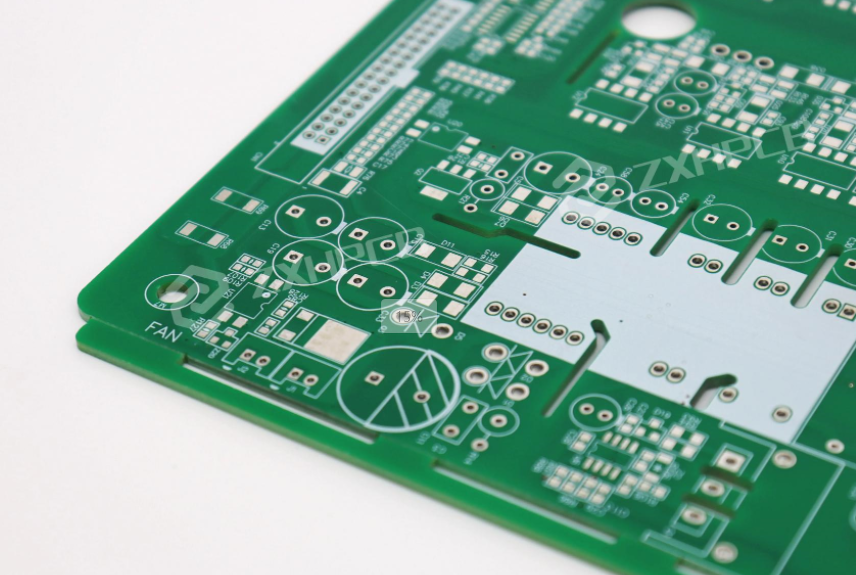
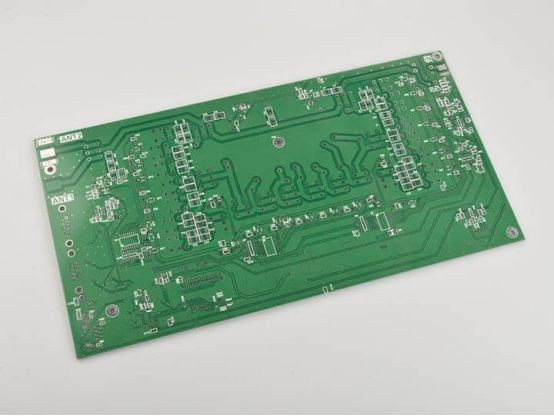
These devices come in different forms depending on the complexity of the assembly being tested. For instance, simple jigs may consist of a base plate with pins or probes that make contact with specific points on a circuit board. More complex jigs might include specialized hardware such as programmable switches, relays, or even integrated circuits that simulate real-world conditions.
Why Do We Need Test Jigs?
Consistency and Accuracy
One of the primary reasons manufacturers rely on test jigs is to achieve consistency and accuracy in their testing processes. Without a standardized method of testing, results can vary widely due to human error or inconsistent positioning of the DUT. Test jigs eliminate these variables by providing a fixed interface that ensures every unit is tested under the same conditions.
Efficiency and Speed
In high-volume production environments, time is money. Test jigs can significantly speed up the testing process by automating the connection between the tester and the DUT. This not only saves time but also reduces labor costs associated with manual testing procedures.
Error Reduction
Another critical aspect of using test jigs is the reduction of errors. By automating the testing process, jigs minimize the chance of incorrect connections or misinterpretation of test results. This is particularly important for complex assemblies where the number of potential errors increases exponentially.
Adaptability
Modern test jigs are often designed with flexibility in mind. They can be quickly reconfigured to accommodate different types of products or updated to reflect changes in testing requirements. This adaptability allows manufacturers to stay agile and respond rapidly to evolving market demands.
Documentation and Traceability
Finally, test jigs provide a means of documenting test results systematically. Automated logging of test data facilitates traceability and supports quality management systems like ISO 9001, which require detailed records of all manufacturing activities.
Conclusion
In summary, test jigs play a crucial role in the manufacturing process by providing a reliable, efficient, and accurate method of testing electronic assemblies. They help ensure that products meet specified performance criteria and contribute to the overall quality and reliability of the final goods. As technology continues to advance, the importance of robust testing methodologies will only grow, making test jigs an indispensable tool for manufacturers committed to delivering top-quality products to their customers.http://sznewmeto.com/
The Vital Role of PCB Test Fixtures
How to test a PCB board
Related Article