What is PCB? In which fields is it applied?
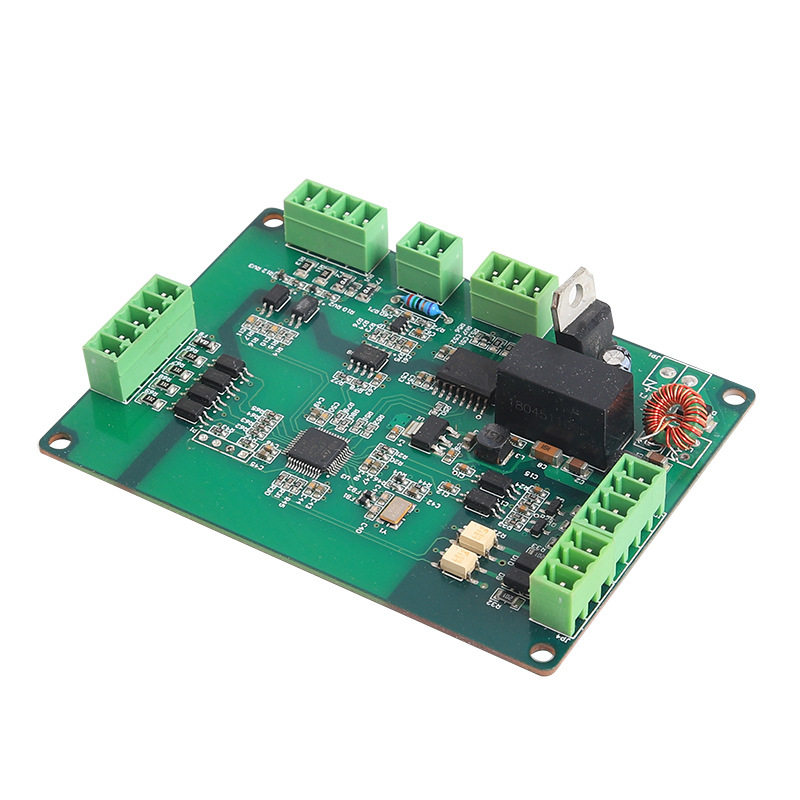

Where is the PCB? What is PCB? Almost all electronic devices have PCBs. They come in shades of green, red, blue, or black. A computer motherboard is a perfect example of a PCB. They exist in everyday appliances such as printers, digital clocks, televisions, microwave ovens, and even some simple items such as light switches.
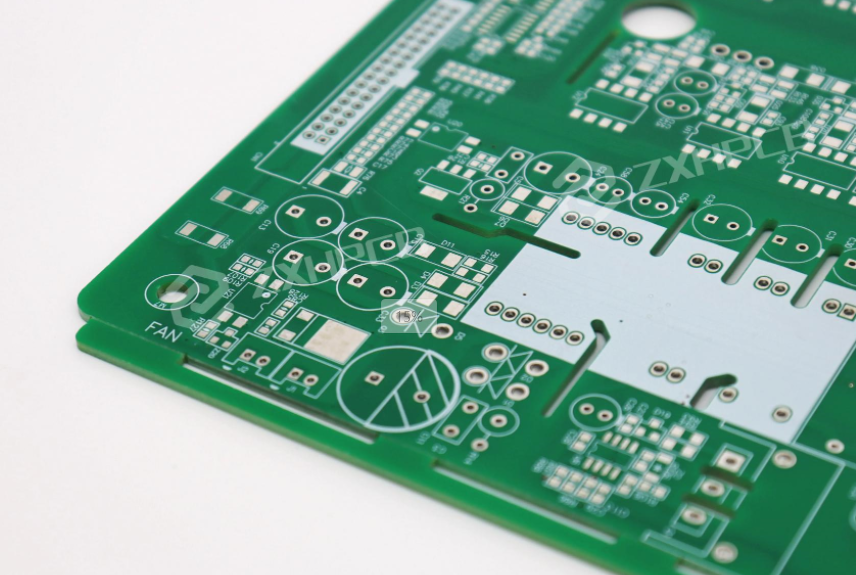
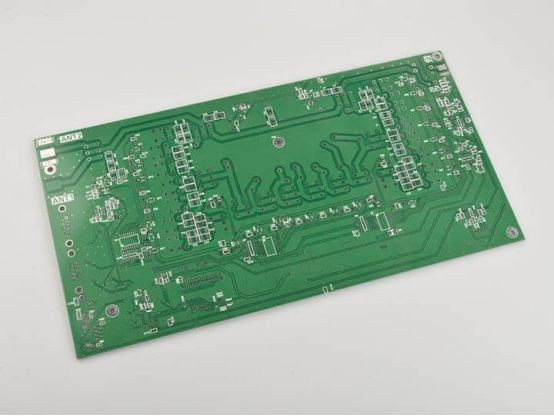
A printed circuit board (PCB) is a convenient thin plate used to accommodate interconnected electrical components in a simple, convenient, and economical manner. They are used as physical supports for installing and connecting different electrical components.
PCB is made of glass fiber, composite epoxy resin or any other composite material, and has a metal coating surface. They have etching using metals and acids to create circuits through different integrated circuits (ICs) and other components on circuit boards. Solder connects ICs and other components to the surface of the circuit board. The copper tracks in the circuit board reduce the possibility of short circuits, misaligned or misplaced wires.
In this way, all components are firmly fixed on the circuit board without the need for complex wiring systems and unnecessary costs. This also simplifies the process of maintaining PCBs according to your needs - without dealing with a large number of wires.
What are PCB products?
PCBs can almost be found in some form of electronic device. Below, I have shared several common types of devices that can find PCBs.
Consumer electronics - This includes all electronic products we use in our daily lives. From audio and video systems, televisions, video and DVD players, digital cameras, computers and laptops, mobile phones and GPS to household and kitchen appliances. This type of device often uses standard PCBs that are quite standard and similar to each other.
Medical Devices - High density PCBs can be used for medical devices. They support the use of more intensive design testing for new and advanced medical technologies. This also reduces the complexity of manufacturing small and lightweight medical devices. PCB is suitable for medical devices of all sizes, from small pacemakers to large X-ray and CAT machines.
Industrial Machinery - PCBs are typically used for high-power industrial machinery. Thick copper PCBs are commonly found in industrial machinery to better meet important requirements. For example, thick copper PCBs can be found in industrial machines such as motor controllers, industrial load testers, and high current battery charging.
LED application - LED lights are another common PCB device, which is a more modern form of technology but still primarily based on PCBs, known for increasing power consumption. LED lights have a PCB that serves as a heat sink, allowing for higher levels of heat transfer than regular PCBs. Even some other basic lighting solutions use these aluminum backplates for high-level heat transfer.
Automotive and aerospace related equipment - PCB design is designed to withstand high vibration environments and can be used for automotive and aerospace industry related equipment. Flexible PCBs support the vibration characteristics of these industries. They can be very flexible and can adapt to the often narrow space designed inside the device.
Newmeto provides testing fixtures for PCB and IC products to perform component testing and check if they can operate normally.
This is our website://sznewmeto.com/
How to test PCB?
10 interesting things about PCB: Take you into the mysteries of the electronic world
Related Article