The Vital Role of PCB Test Fixtures
2024-10-18
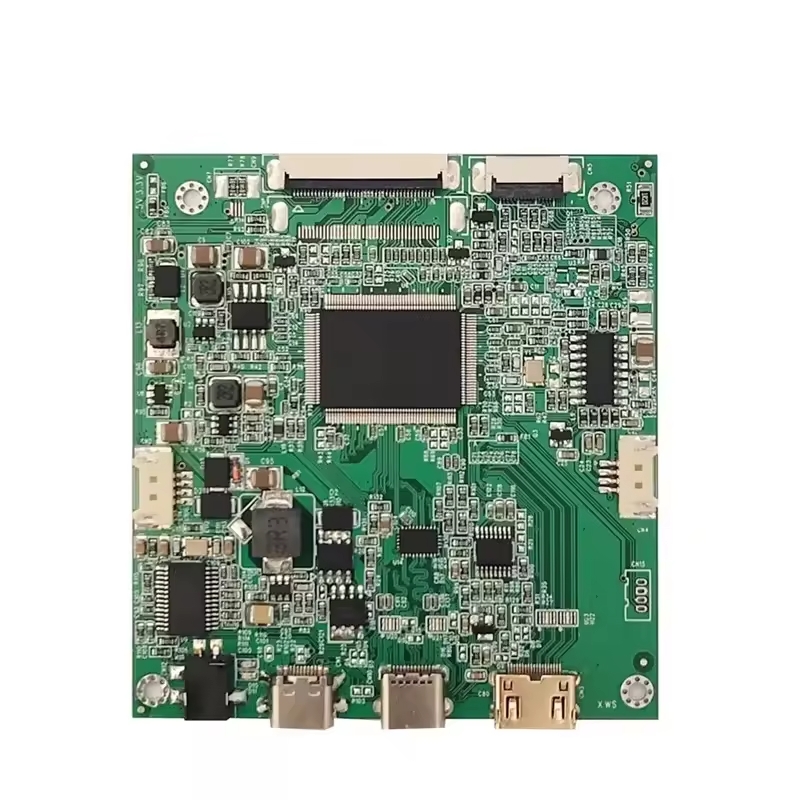
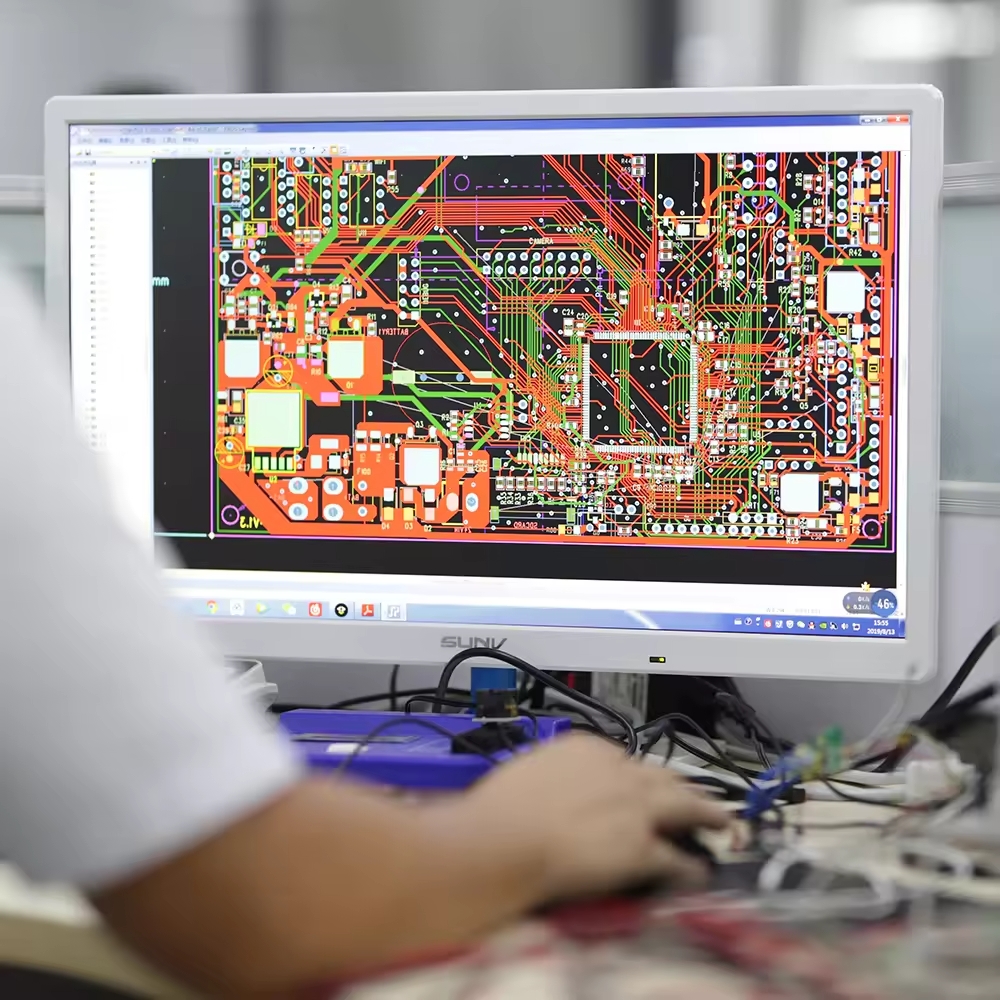
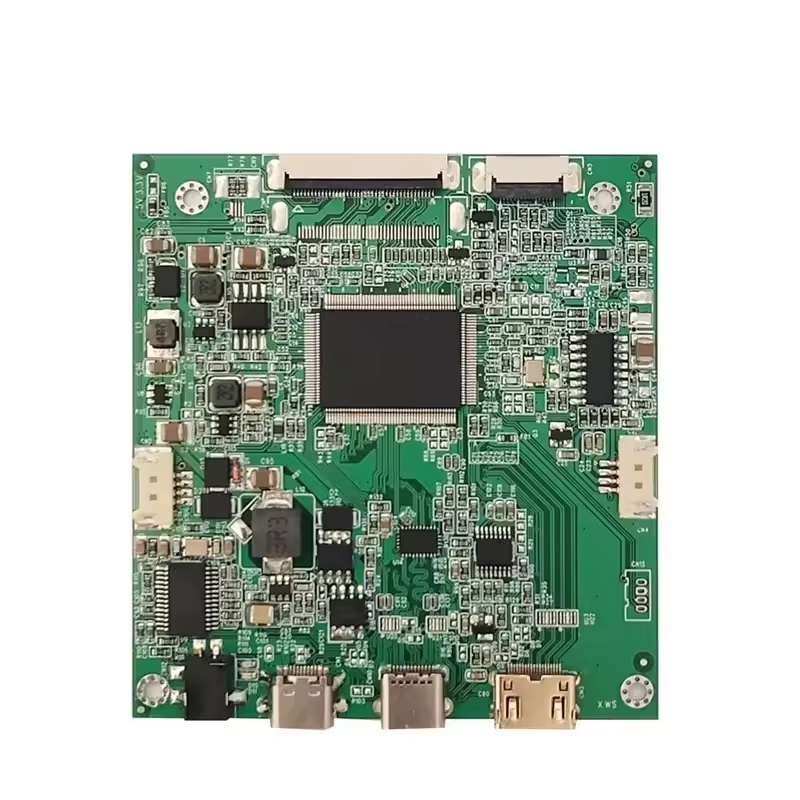
PCB (Printed Circuit Board) is an essential component in the electronics industry.
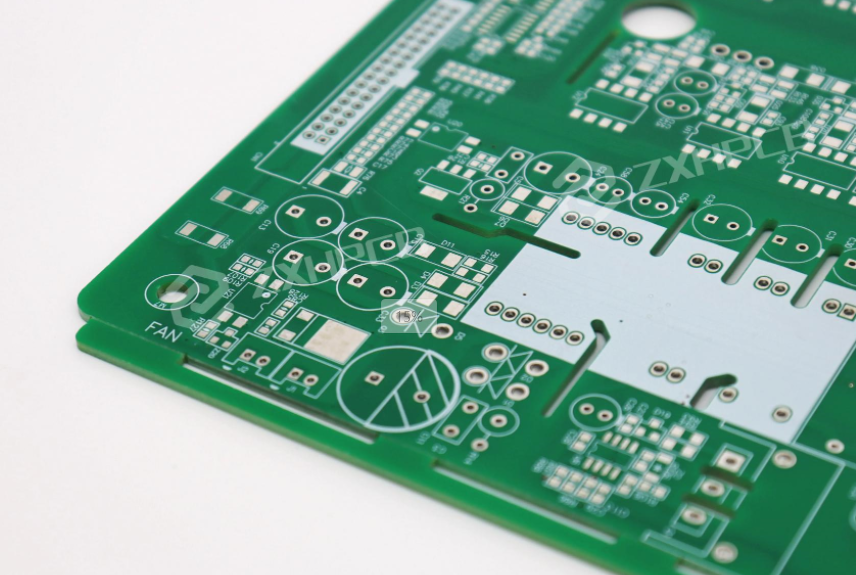
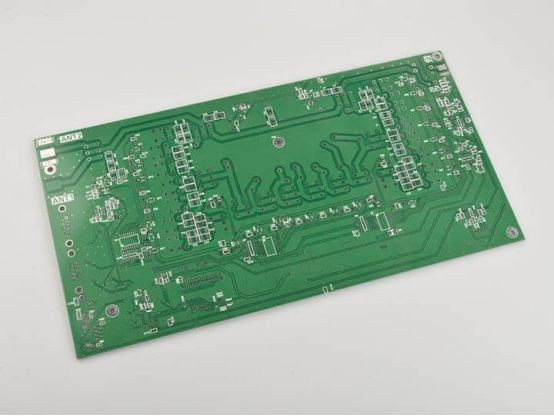
A PCB is a flat board made of insulating material, typically fiberglass or a similar substrate. It provides a mechanical support and electrical connection for electronic components. The process of manufacturing a PCB involves several steps. First, a design is created using specialized software, specifying the placement of components and the routing of electrical connections. Then, the design is transferred onto the PCB substrate through a process such as photolithography.
PCBs come in different types, including single-sided, double-sided, and multilayer boards. Single-sided PCBs have components and conductive traces on one side only. Double-sided PCBs have traces on both sides and are connected through vias. Multilayer PCBs consist of multiple layers of conductive traces and insulating materials, allowing for more complex circuitry.
The advantages of using PCBs are numerous. They enable efficient and reliable electrical connections, reducing the risk of short circuits and signal interference. PCBs also facilitate the miniaturization of electronic devices by providing a compact and organized way to mount components. Additionally, they are highly customizable, allowing designers to create unique circuit layouts for specific applications.
PCBs are used in a wide range of electronic products, from simple consumer electronics like calculators and remote controls to complex industrial and medical equipment. They are also found in telecommunications devices, computers, and automotive electronics.
In conclusion, PCBs play a crucial role in the electronics industry. Their ability to provide stable electrical connections and support for components makes them an indispensable part of modern electronic devices. With continuous advancements in technology, PCBs are becoming more sophisticated and enabling the development of ever more advanced electronic products.
The generation started by introducing PCB as an essential component in the electronics industry. Then it described what a PCB is made of and the manufacturing process. Different types of PCBs were explained to give a comprehensive understanding. Next, the advantages of using PCBs were enumerated, highlighting their importance in electrical connections, miniaturization, and customization. Finally, the wide range of applications of PCBs was mentioned to emphasize their ubiquity in various electronic products. The conclusion summarized the crucial role of PCBs and their potential for future development.
In the world of electronics manufacturing, Printed Circuit Boards (PCBs) are the backbone of countless devices. Ensuring the quality and functionality of these PCBs is crucial, and this is where PCB test fixtures play an absolutely essential role.
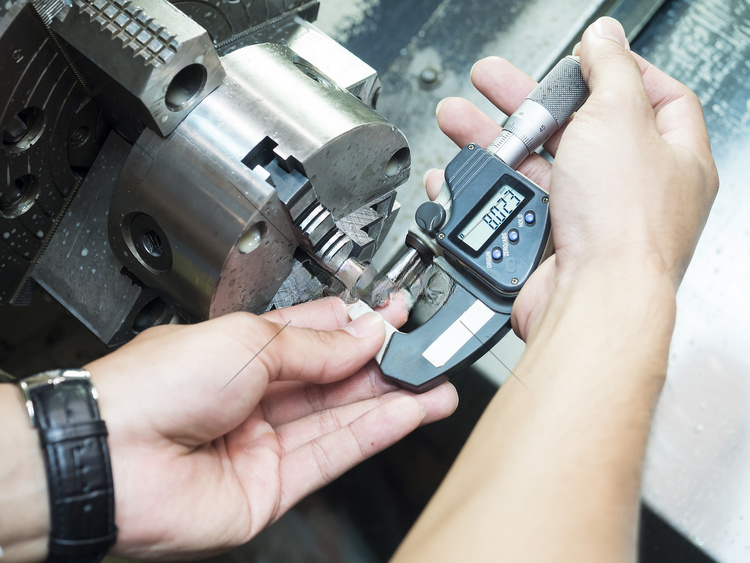
PCB test fixtures are custom-designed tools that are specifically crafted to test a particular PCB or a family of PCBs. These fixtures are not one-size-fits-all; instead, they are tailored to meet the unique requirements of different PCB designs. This customization is a key aspect that sets them apart and makes them indispensable.
For example, in a high-volume production environment, a well-designed PCB test fixture can quickly and accurately test each PCB as it comes off the production line. This allows manufacturers to identify faulty boards early on, reducing waste and saving costs. Moreover, by catching defects early, manufacturers can take corrective actions promptly, minimizing disruptions to the production process.
Function of PCB circuit board test rack
Test Jigs: An Essential Tool in Manufacturing Quality Control
Related Article